Preventing Future Wildlife Intrusions After Professional Removal
To prevent future wildlife intrusions after professional removal, local service providers can install barriers and repairs that keep animals out permanently.
If you've recently had wildlife removed from your property, ensuring that animals don’t find their way back is a common concern for property owners in the area. Preventing future wildlife intrusions after professional removal is an important step to protect your home and maintain a safe, pest-free environment. Many property owners explore this topic to avoid recurring issues, safeguard their investments, and reduce the risk of damage or health hazards associated with unwanted wildlife. Continuing to read can provide practical insights into effective prevention strategies and how local contractors who specialize in wildlife intrusion prevention can assist in creating long-lasting solutions.
Understanding how to prevent future wildlife intrusions involves more than just sealing entry points; it often requires tailored approaches based on the specific types of animals and the structure of the property. Local service providers who focus on wildlife intrusion prevention can assess vulnerabilities and implement targeted measures to keep animals out permanently. This knowledge helps property owners make informed decisions about safeguarding their homes, ensuring that the work done during professional removal remains effective over time. Keep exploring to learn how these local experts can help develop a comprehensive plan to prevent future wildlife intrusions after initial removal.
- Wildlife Entry Point Sealing - property owners seek this service when identifying gaps or openings that allow animals to access their structures, with local contractors expertly sealing these entry points to prevent future intrusions.
- Attic and Roof Vent Repairs - individuals noticing signs of wildlife presence in their attics or roof vents often need repairs to block access points, with local pros customizing solutions to fit their building’s design.
- Barrier Installation - homeowners aiming to deter wildlife from returning after removal may require physical barriers, with local service providers installing mesh or fencing tailored to their property’s needs.
- Structural Repairs and Reinforcements - property owners dealing with damage caused by wildlife may seek repairs that reinforce vulnerable areas, with local contractors addressing structural weaknesses to prevent re-entry.
- Wildlife Deterrent Systems - those interested in ongoing prevention often look for deterrent solutions, with local pros deploying humane devices and strategies to discourage wildlife from returning.
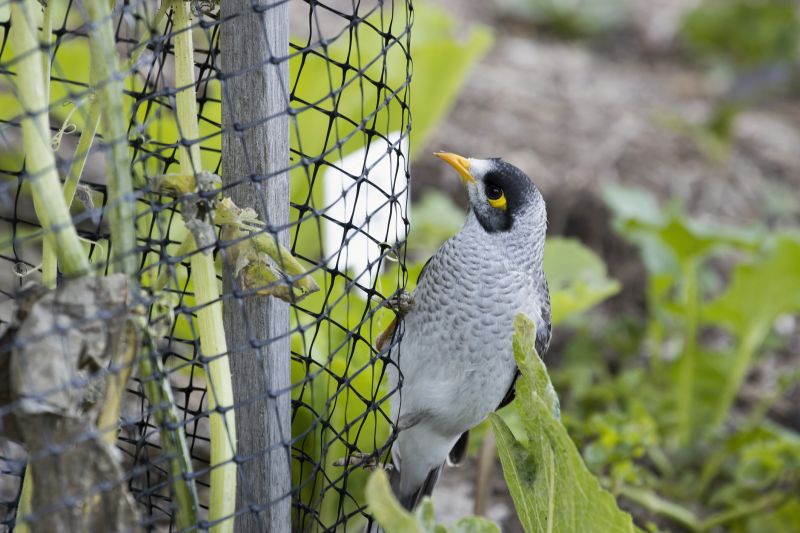
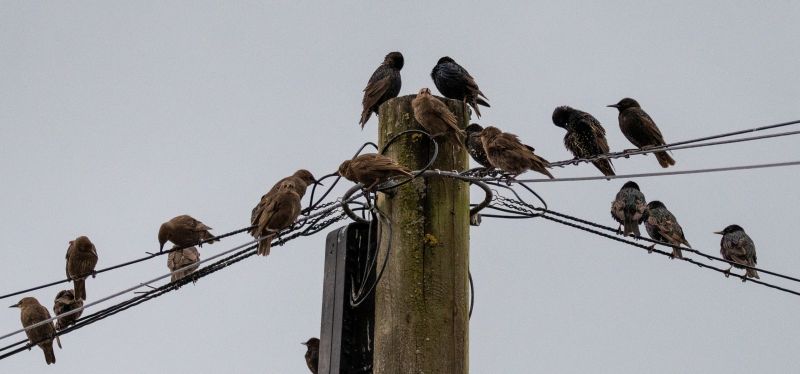
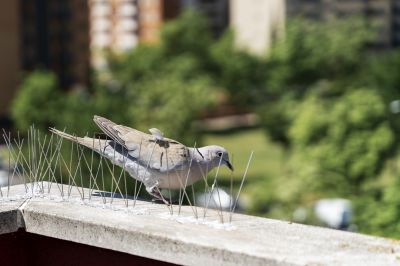
When people search for preventing future wildlife intrusions after professional removal, they are typically looking for ways to ensure that animals do not return to their property after an initial removal has taken place. This concern often arises after homeowners or property managers notice signs of animal activity, such as droppings, nesting materials, or damage, and then seek professional help to remove the animals. The goal is not just to eliminate the current problem but to develop a long-term solution that keeps wildlife out of the property in the future. This process involves understanding how animals gain access, where they tend to nest, and what preventative measures can effectively block their entry points.
These issues are commonly related to problems like raccoons in attics, squirrels in walls, or bats roosting in eaves. Many property owners plan to address specific wildlife concerns that have become persistent or disruptive, especially in areas where animals may seek shelter or food sources. Preventing future wildlife intrusions after professional removal is a crucial step in protecting the integrity of the building and maintaining a pest-free environment. It often involves inspecting the property thoroughly, identifying vulnerable entry points, and implementing targeted repairs or modifications to prevent animals from returning. Local wildlife intrusion prevention service providers are skilled in assessing these risks and recommending practical solutions.
Properties that are most often involved in these situations include residential homes, especially those with attics, chimneys, or roof vents that provide easy access for animals. Commercial buildings, farms, and even historic structures can also be affected, particularly if they have gaps, damaged siding, or unsealed openings. These properties tend to have features that offer animals shelter and access to food sources, making them attractive for wildlife. When seeking to prevent future intrusions, property owners typically focus on sealing off entry points, installing barriers, or modifying structural features to make the property less inviting to wildlife. Local contractors experienced in wildlife intrusion prevention can help implement these measures effectively.
Overall, preventing future wildlife intrusions after professional removal involves a combination of thorough inspection, strategic repairs, and ongoing maintenance to keep animals out. Connecting with local service providers ensures that property owners receive tailored solutions suited to their specific situation and property type. These professionals can evaluate the unique entry points and vulnerabilities of each property, then recommend and install the appropriate barriers or modifications. By addressing the root causes of wildlife access, property owners can reduce the likelihood of animals returning and avoid recurrent issues, creating a safer and more secure environment for the long term.
Exclusion Barrier Installation - local contractors specialize in installing physical barriers like mesh or fencing to prevent wildlife from re-entering structures after removal.
Structural Repair Services - professionals can repair and reinforce building openings, such as vents and eaves, to reduce future intrusion risks.
Vent and Chimney Cap Fitting - local service providers offer fitting of caps on vents and chimneys to block access points for wildlife reinfiltration.
Attic Sealing and Insulation - experts can seal gaps and improve insulation to make attics less attractive and accessible to wildlife again.
Damage Repair and Restoration - local pros can restore areas damaged during wildlife intrusion or removal processes to prevent future issues.
Property Inspection and Assessment - professionals conduct thorough inspections to identify potential entry points and advise on prevention strategies.
When comparing service providers for preventing future wildlife intrusions after professional removal, it is important to consider their experience with similar projects. Homeowners should inquire whether the local contractors have a track record of successfully handling wildlife intrusion prevention in residential settings comparable to their own. An experienced provider will understand the common entry points and vulnerabilities specific to different types of wildlife, ensuring that the prevention measures are tailored and effective. Checking for references or examples of previous work can provide insight into their expertise and help gauge their ability to deliver results that meet expectations.
Clear, written expectations are essential when evaluating wildlife intrusion prevention services. Homeowners should seek detailed explanations of the scope of work, including what specific prevention measures will be implemented and how they address the unique challenges of preventing future wildlife intrusions. Service providers who can provide comprehensive written proposals or estimates help ensure there is mutual understanding about the work to be done, reducing the chances of misunderstandings or unmet expectations later on. Having these expectations documented also makes it easier to compare different local contractors objectively.
Good communication and reputable references are key factors in selecting a dependable wildlife intrusion prevention service provider. Homeowners should look for providers who are responsive to questions and willing to clearly explain their methods and recommendations. Reputable references or reviews from previous clients can offer valuable insights into the contractor’s professionalism, reliability, and quality of work. Choosing a local service provider known for transparent communication and positive feedback can help ensure that the project proceeds smoothly and that the measures taken are thorough and effective at preventing future wildlife intrusions.
Property owners often search for preventing future wildlife intrusions after professional removal when they are planning practical projects around their homes and businesses. Local pros provide Wildlife Intrusion Prevention services for everyday jobs and straightforward project options.
After wildlife removal has successfully cleared an infested area, property owners often seek ways to prevent future wildlife intrusions. Simple steps, such as sealing entry points and repairing structural vulnerabilities, can make a significant difference in deterring animals from returning. Many local contractors specialize in wildlife exclusion, offering services that focus on identifying and blocking common access routes like vents, chimneys, and gaps around the roofline. These preventative measures help ensure that the property remains wildlife-free and reduce the likelihood of repeated invasions.
Homeowners and business owners in the area may look into wildlife intrusion prevention services to protect their property and avoid recurring problems. Local service providers can assess the property’s unique vulnerabilities and recommend practical solutions tailored to the specific types of wildlife common in the region. By working with experienced professionals, property owners can implement effective exclusion techniques that complement the initial removal, providing peace of mind and long-term protection against future wildlife intrusions.
What are effective methods for preventing future wildlife intrusions after professional removal? Local contractors often recommend sealing entry points, installing exclusion devices, and modifying habitat around the property to reduce attractants, helping prevent wildlife from returning.
How can I identify potential entry points that need to be sealed? Wildlife specialists suggest inspecting the exterior of the property for holes, gaps, or damaged areas, especially around vents, soffits, and windows, to determine where to focus sealing efforts.
What types of barriers or exclusion devices are recommended for long-term prevention? Service providers typically suggest using durable mesh screens, one-way doors, and chimney caps to block wildlife access while allowing for safe removal and ongoing exclusion.
Are there habitat modifications that can help prevent future wildlife intrusions? Yes, local pros often advise removing debris, trimming overgrown vegetation, and securing food sources to make the area less attractive to wildlife, reducing the likelihood of future intrusions.
How can ongoing monitoring contribute to preventing wildlife from returning? Regular inspections by wildlife prevention specialists can identify new entry points or attractants early, allowing for prompt repairs and adjustments to keep wildlife out over time.
Sealing entry points - Identifying and properly sealing gaps, vents, and holes helps prevent wildlife from re-entering the property after removal services are completed.
Installing exclusion barriers - Using mesh or fencing around vulnerable areas creates a physical barrier that deters animals from returning to the same spots.
Maintaining landscaping - Trimming trees, shrubs, and removing debris reduces hiding spots and access points for wildlife near the property.
Scheduling regular inspections - Routine checks by local contractors ensure that any new openings are promptly addressed to prevent future intrusions.
If you are thinking about preventing future wildlife intrusions after professional removal for a property, this guide is meant to help you understand this topic, the typical project types, and how different options might fit your plans.
When you are ready, you can use the quote form on this page to share a few details about your project. From there, local pros can review the basics and follow up with options that match what you have in mind.